Last Tuesday, I walked the welding station at our Ningbo factory and spotted a problem that stopped the line. A batch of 80 chair frames had passed visual QC. But under the 10x loupe, the front leg joint weld was all surface bead. No root penetration at all.
That batch would've looked perfect in a catalog photo.
Six months on a UK bank, every single one would've snapped at the same joint. I've seen this pattern for 15 years. The things that kill a carp chair aren't visible in product shots. They hide in wall thickness, stitch spacing, and foam density figures nobody checks.
This is the checklist I use for every OEM inspection.
1. The Frame: What Your Eyes Can't See
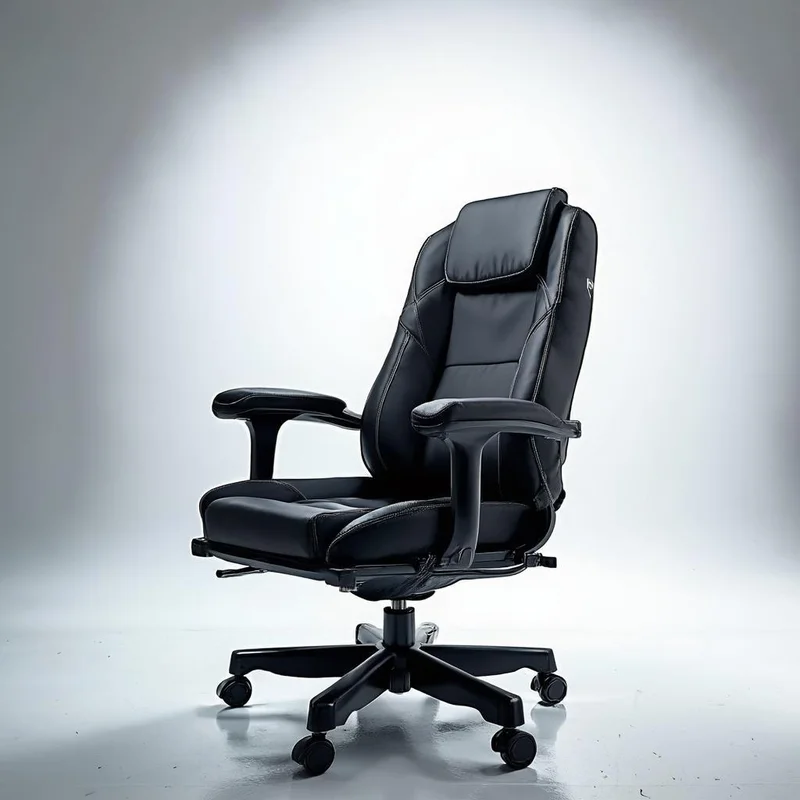
The frame is where factories cut corners that no catalog catches. I've watched manufacturers switch from 1.5mm to 1.0mm tubing mid-production to save ¥8 per chair. The chairs look identical. They don't last the same.
Spec 6061-T6 aluminum tubing, minimum 1.2mm wall thickness. For the front leg mount and the seat pivot, demand 1.5mm. Steel frames are heavier but fine if powder-coated properly. Anything under 1.0mm wall on aluminum bends within one season.
At the weld station, I check for full penetration. Not a pretty surface bead. Run your finger under the joint. If you feel a continuous filler metal line, the welder did the job. Smooth underneath means surface-only welding. That's a warranty claim waiting to happen.
I also check for discoloration around the weld. Blue or brown rings mean the welder ran too hot. Overheated aluminum loses up to 40% strength at the heat-affected zone. Clean, silver weld lines with uniform width tell me temperature control was right.
Quick field test: squeeze the tubing with moderate thumb pressure. Any give means the wall is too thin. Walk away.
2. The Fabric: Not All 600D Is the Same
I hear "600D Oxford" used like it guarantees quality. It doesn't. I've tested 600D from three textile mills and gotten three different abrasion results. The denier number tells you fiber thickness. It won't tell you weave density or coating quality.
The minimum: 600D Oxford polyester with PU coating and UV50+ inhibitor. Below 600D, fabric cracks within six months of direct sun. Without UV inhibitors, even 600D degrades. I've seen chairs in shop windows go brittle before ever touching a lake.
PU coating matters more than buyers realize. A proper PU backing — not a surface spray, stops water soaking into the foam. I've opened returned chairs where the foam was black with mold. The fabric had zero waterproof backing but looked fine from the outside.
Ask your manufacturer for the fabric mill certificate. A proper factory knows exactly which mill supplied the fabric and the coating weight applied.
3. The Stitching: 3 vs 2.5 Stitches Per Centimeter
This is the single biggest predictor of whether a chair survives a season. Almost no buyer's guide mentions it.
Three stitches per centimeter. Not 2.5. Half a stitch sounds trivial, but across a seat corner taking full weight 50 times a session, it's the gap between holding and tearing.
I keep a stitch counter in my kit. At our factory, every sewing station has a density gauge on the machine. We check at shift start and after every thread change.
When I audit a new factory, I count stitches on seat corner seams first. At 2.5 or less, the rest of the inspection is just confirming what I already know.
Double-needle bar-tacking at all stress points. Non-negotiable. Single-stitch seams on corners separate within one season. I've handled the returns. Bar-tacks must run at least 15mm per corner. Shorter tacks concentrate stress instead of spreading it.
Nylon bonded thread, minimum Tex 70 weight. Cotton rots. Unbonded polyester frays under UV.
4. The Hardware: Stainless Steel or Nothing
Bankside conditions destroy hardware faster than anything. Morning dew, overnight rain, mud, repeated folding. I've pulled zinc-plated rivets from chairs after one UK autumn. Completely seized with rust, rivet heads crumbling away.
304 stainless for every rivet, hinge pin, and bolt on the chair. No exceptions. Zinc-plated hardware corrodes and seizes inside 12 months. Even "stainless-look" coatings fail. They're cosmetic, not structural.
Bring a magnet to your inspection. 304 stainless is non-magnetic or weakly magnetic. If the magnet snaps hard to a rivet, it's plated steel faking it as stainless.
The hinge pins are the real danger zone. They absorb repeated folding stress. A cheap carbon steel pin rusts inside the hinge barrel where nobody sees it. The chair still folds but with growing resistance. One day the pin shears under load.
5. The Leg Mechanism: Where Cheap Chairs Fail First
If I had to pick one component separating factory-grade from consumer-grade chairs, it's the leg adjuster. This mechanism decides whether the chair stands level on a slope or dumps your customer in the mud.
The adjuster needs a spring-loaded push-button pin, not a friction lock or twist collar. Friction locks loosen from transport vibration. Twist collars seize when grit hits the threads. Spring-loaded pins are the only design I've seen survive three heavy seasons without developing play.
Test the tolerance: extend the leg, lock the pin, apply 50kg downward pressure. The pin must hold with zero slip. Even a 2mm drop means machining tolerance is too loose. Legs will collapse under an angler shifting weight.
Mud feet: pivoting, minimum 50mm diameter. Fixed feet sink into soft ground on every UK lake I've fished. Small feet under 35mm only work on hard pegs. The pivot needs 20 degrees of angle minimum to follow bank contours.
6. The Foam: Density, Not Thickness
Thick foam photographs beautifully. It sells chairs. But thickness without density is a trap.
The spec: 28 to 32 kg/m³ medium-density foam. I've sat on 60mm pads at 20 kg/m³ that bottomed out in two weekends. Then I've tested 40mm pads at 30 kg/m³ holding shape through 200 hours. Density wins every time.
Cheap foam at 18 to 22 kg/m³ flattens permanently inside 50 hours. The cells collapse and don't recover. You sit on a compressed pancake with the frame tube pressing into your thighs. Your customer blames the chair. The real culprit is foam spec nobody checked.
How to test on a factory visit: compress the seat foam with your full palm for 10 seconds. Release. Count recovery time. Quality foam at 28+ kg/m³ rebounds under 3 seconds. Cheap foam takes 8 to 10 seconds or never fully rebounds.
Also check foam type. Open-cell breathes but absorbs water if fabric leaks. Closed-cell repels water but traps heat. For UK and Northern Europe, closed-cell with ventilation channels hits the right balance.
Your Pre-Order Inspection Checklist
Here's the 10-point checklist I use when signing off a production batch. Print it. Take it to your manufacturer. If they can't verify every point, keep looking.
- Frame material certificate: 6061-T6 aluminum confirmed, wall thickness ≥1.2mm (1.5mm at stress joints).
- Weld penetration test: Visual inspection of all joint undersides. Full bead penetration required.
- Fabric mill cert: 600D Oxford minimum, PU coating weight specified, UV50+ inhibitor confirmed.
- Stitch density gauge: 3 stitches/cm, double-needle bar-tacked at corners, ≥15mm tack length.
- Thread weight: Nylon bonded, minimum Tex 70.
- Hardware magnet test: All fasteners pass as 304 stainless (non-magnetic or weak magnetic).
- Leg adjuster load test: 50kg downward pressure, zero pin slip, smooth spring return.
- Mud feet spec: Pivoting, ≥50mm diameter, ≥20° articulation.
- Foam density cert: 28 to 32 kg/m³. Rebound under 3 seconds.
- Static load test: 150kg × 24 hours, zero frame deformation. Dated and signed.
Why This Matters for Your OEM Order
When you're ordering 200 or 2,000 chairs with your brand on them, one faulty batch costs more than returns. It costs retailer relationships you spent years building.
I've sat across from European distributors showing me chairs they imported from factories they'd never visited. The photos looked great. The specs matched ours on paper. Six months later: stitching torn, foam collapsed, entire range pulled from shelves.
The difference isn't in the design files.
It's in the mill certificates — the weld inspection reports, and the foam density data the factory either has or doesn't.
Our production team inspects every batch against this exact checklist before it leaves China. We've been doing this since 2011. Over 500 B2B clients across 50 countries run our chairs through full European seasons.
The chairs hold up because we check the numbers, not the photos.
Want to learn more about what separates factory-grade carp chairs from the rest? Read our complete factory sourcing guide or our step-by-step inspection walkthrough. For detailed QC protocols, see our quality control standards documentation.
Ready to Source Carp Chairs That Pass This Checklist?
We manage factory sourcing, quality inspection, and pre-shipment verification so your branded chairs arrive exactly to spec. Flexible MOQs from 50 units. OEM and private label available.
Browse Our Wholesale Chair Range →
Or contact us directly: info@anglingear.com